Using iMessage Polls vs Group Thread Replies for Availability Checks
Polls settle known options, replies surface conditions, and neither books the plan.

iMessage polls work best for choosing among known options, while group thread replies work best for discovering the conditions that make those options workable. To get a group hangout scheduled without leaving iMessage, an in-chat calendar coordinator such as Text Pencil, an AI bot added to the group that checks when everyone is free, follows up, and sends the calendar invite, takes the next step. The useful distinction is between choosing a plan and getting it to happen.
Why iMessage finally has a native poll feature in iOS 26
Apple unveiled native polls for Messages with iOS 26 at its Worldwide Developers Conference on June 9, 2025. The feature requires no third-party download or extra permissions. To create a poll, a participant taps the + button in a conversation, selects Polls, adds options, and sends it. The question then sits inside the conversation where the group is already discussing the decision.
Apple Intelligence can also detect planning-related language and suggest starting a poll, with processing happening on-device. A question such as “What should we eat?” can prompt that suggestion without someone first opening the poll tool. The capability is new to iMessage. WhatsApp introduced polls in 2022, and Telegram has long supported them. Still, everyone in the chat must be on iOS 26 to take part in a native poll.
The hard constraint polls inherit: every person in the chat must be on iOS 26
Compatibility is the first planning criterion, before the wording of the question or the number of choices. Members using an older iOS version, iPadOS, macOS, or Android receive only a notice that a poll was sent. Their participation is limited to receiving the notice.
Polls are iMessage-only, so green-bubble SMS/RCS participants cannot see or vote in them. Google Messages has no native poll feature either, so groups with both iOS/Android users have no way to use an iMessage poll together. Family chats, groups of friends from work, and groups with people who have older devices can often run into this limit. The practical consequence is incomplete input. The result cannot speak for the whole group when some members have no way to answer.
For an organizer, the first action is therefore a quick scan of bubble colors and a mental check of who has updated recently. Bubble color alone does not establish that everyone has the required version. If the group does not meet both conditions, replies remain the workable format for the shared availability check. This is not a judgment about the poll feature’s quality.
What polls genuinely solve: collapsing a multi-option argument into one tap
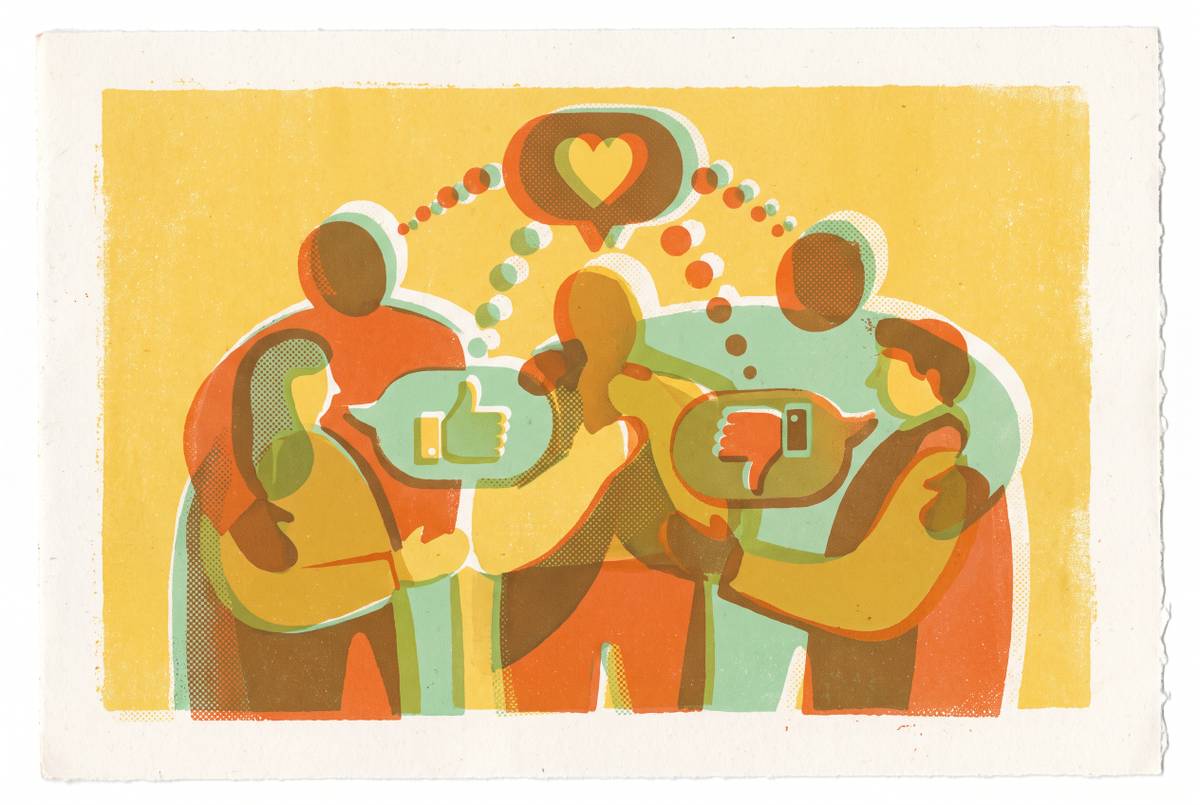
When everyone can participate, a poll gives a bounded decision a common structure. Questions such as “pizza or sushi,” “Saturday or Sunday,” and “early showing or late showing” ask people to choose from a small, known set. A tap replaces the need to compose a separate response. Everyone sees the same result, and no organizer has to count scattered replies or remember which person preferred which option.
That shared result is particularly useful when a thread has become repetitive. If the restaurants, dates, or departure times are already known, more messages may just tell the group what each person prefers. The poll consolidates those expressions into one place. It also stays in the chat history, giving the group a recorded outcome to return to when finalizing the plan.
The structure need not make the organizer the sole author of the choices. Anyone in the group can tap “Add Choice” to contribute an option. Participation remains collaborative. However, the ability to include up to 12 options is not a reason to fill every slot. Casual group decisions tend to work best with three to six choices, because too many can leave people as unsure as they were before the poll.
In group chats, diffusion of responsibility can mean that everyone waits for someone else to reply first. Giving everyone the same one-tap action removes the social cost of composing the opening reply. Apple Intelligence’s in-context suggestion can help bring in a poll while people are still weighing the options, before the thread splits into different conversations. The benefit is clearest when the group needs a count.
What polls cannot do: the cases where a reply thread still works better
An availability check often asks a more complicated question than a preference poll can express. “I can do Saturday but only after 3, or Sunday if it’s not the afternoon” sets time restrictions for each day. The group may see agreement on a date without learning the time restrictions needed to make it work.
Someone can flag “I have a thing until 6 that day,” explain a caveat, or propose an alternative without restructuring the question. When the organizer does not yet know the realistic options, an open exchange lets the group generate them before anyone asks for a structured vote.
Poll settings create a separate limit for decisions that require commitment. There is no setting to enforce single-choice voting, so a participant can vote for every option. That can muddle a time-slot decision where the organizer needs a definite selection. A sent poll also cannot be deleted after two minutes. A premature or misconfigured question can therefore remain in the thread even after the conversation reveals why its choices were wrong.
In a close group, publicly choosing one date over another can make a preference conspicuous in ways that conversational replies may obscure. An explanation can show why a particular weekend is difficult. Speed is not the only criterion. When people need to explain a preference or qualify their availability, replies give the group the context required to understand the answer.
How to read the moment and pick the right format
The practical choice starts with two questions. Are the options already known, and does the group need to explain an answer or simply register it? Use a poll when the choices are on the table, everyone is on iOS 26 and iMessage, and a count is the missing input. It is especially suitable when the decision is low-stakes enough that public voting will not create friction and the conversation needs a forcing function to converge. A “Create a Poll” suggestion from Apple Intelligence is a useful signal that the thread has reached a choice-making moment, though it does not replace the compatibility check.
Use replies when availability is conditional or partial, when a preference needs explanation, or when the options still need negotiation. They are also the appropriate shared format when anyone is on Android, SMS, or an older iOS version. Participation comes before efficiency in these cases.
Start with a short reply thread to surface constraints and narrow the field, then introduce a poll once the realistic choices are clear. This sequence avoids asking people to vote on options that their replies would have ruled out. It also gives the discussion an endpoint instead of leaving every preference and caveat in an open-ended pile of messages.
Why a decision in the thread still isn't a plan on the calendar
A clear winner does not assign responsibility for the next step. The group can agree on a date without anyone taking ownership of a booking or calendar invite. Enthusiasm is not the same as ownership.
Reply threads leave the same gap. A conversation can establish everyone’s constraints and settle on a workable time, yet still end before anyone converts the agreement into an invite. The chat does more to reward a quick reaction than taking charge of what happens next. When no one has been put in charge, each person can assume someone else will take the next step.
The delay has a structural cause. Nothing necessarily goes wrong today if someone postpones following up on a pending plan, so the task can wait until the thread buries it. More negotiation is not always the answer. Some plans happen because one person decides on a time and place and says “I’m going, join me if you can,” bypassing a round of collective choice. That approach exposes the limit of treating structured discussion as the essential planning upgrade.
Someone still needs to confirm availability, contact people who have not responded, and turn the decision into a calendar invite. Identifying those tasks keeps the assessment of polls proportionate. They can shorten negotiation without supplying the follow-through that makes the agreement usable.
How does an in-chat scheduling assistant pick up after the poll closes?
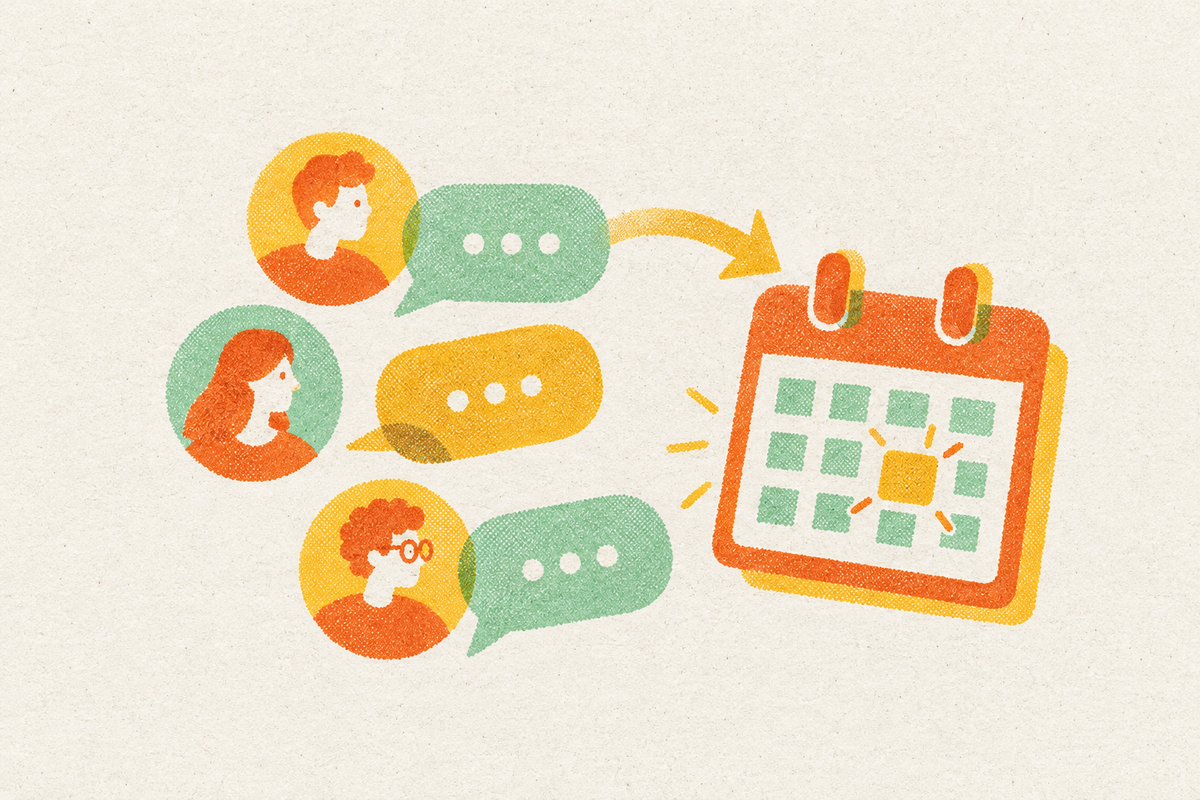
Pencil is an AI scheduling assistant inside iMessage group chats that handles the coordination after a group has expressed its preferences. It confirms availability, follows up with people who have not responded, and sends the calendar invite without requiring participants to leave the conversation. No separate booking page or link is needed. Its role complements polls and replies rather than competing with either format for the initial discussion.
Sharing when people are free tells the group more than a winning vote alone can. Pencil shows when people are free and keeps what they are doing private, so the group can make plans without seeing private event details. This distinction is central to the task. People need to know when others are available, and exposing availability alone addresses the sensitivity around broad calendar access.
Pencil retains who needs a direct nudge and who reliably responds to group prompts, so the organizer does not have to explain those preferences again. Gentle, well-timed follow-ups address the ownership gap directly. Instead of waiting for someone to volunteer to be the persistent person in the thread, the assistant takes on that role without making a friend responsible for repeated reminders.
The coordination also stays within the existing iMessage encryption boundary. Poll data and Pencil’s coordination remain inside the conversation, rather than moving the exchange into a cloud-based scheduling workflow that requires OAuth grants and exposes behavioral metadata. In-chat operation is therefore more than a convenience. It keeps the transition from discussing a plan to arranging it in the place where participants are already engaged.
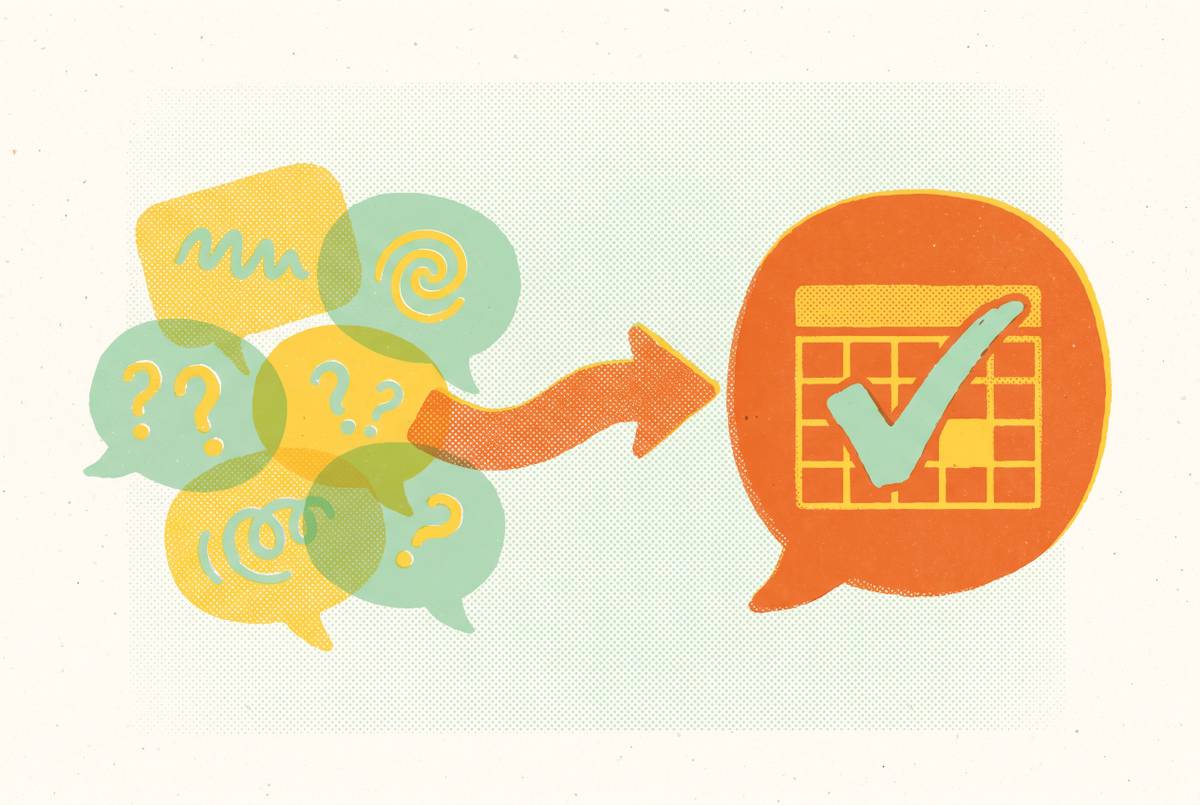
The practical sequence is a reply thread to surface constraints, a poll to converge on an option, and Pencil to confirm, follow up, and send the invite. Each step has a distinct job. The goal is a hangout that friends actually make time for.